
A framework by Debbie Yong · Atypical Media
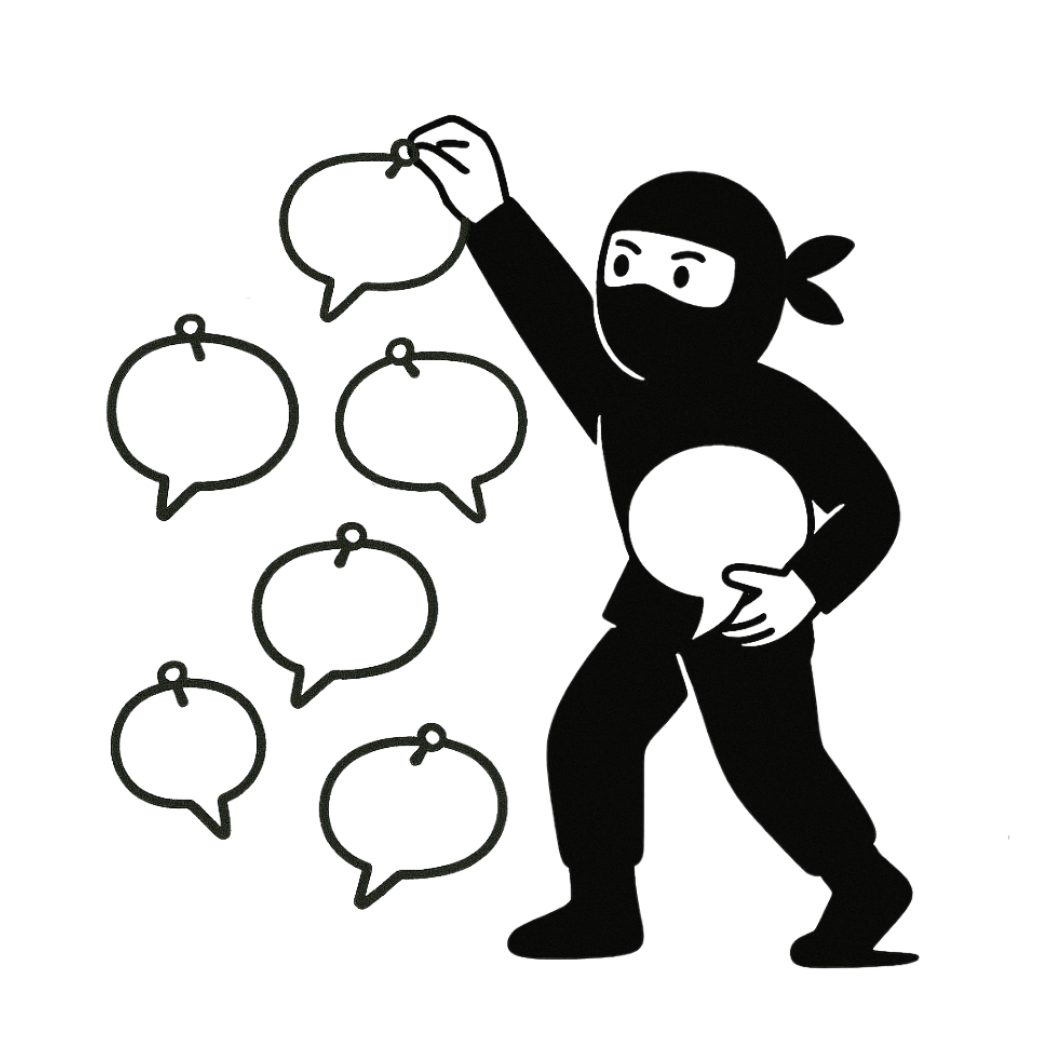
The 8 StoriesEvery Leader Needs To Tell
Most leaders have a CV. Far fewer have a story that people can remember, repeat, and trust. They lead with roles, credentials, and achievements, but leave out the moments that shaped their judgment, sharpened their values, and made their work matter. My 8 Stories framework is designed to help you uncover the most moving stories beneath your résumé — the deeper narratives behind the unique lived experiences that only you can own — to turn authority into connection.
The Origin Story
The journey to realising that this is what you are meant to do
Read story →The Breakthrough Story
Share proof of the transformation you've already made possible for someone else
Read story →The Tribute Story
Celebrating the person who shaped who you are, publicly and generously
Read story →The Iceberg Story
The side of you that most people never get to see
Read story →The Failure Story
What tested you, and how it shapes who you are today
Read story →The Other Life Story
What your life outside this role tells us about how you lead inside it
Read story →The Hot Take Story
Your honest, specific, earned opinion on the defining challenge of the moment
Read story →The Future Story
Where you are going, and who you want to bring with you
Read story →The Origin Story
The journey to realising that this is what you are meant to do
This is the story that makes your expertise feel inevitable rather than accidental. You trace the thread back: the early signal, the pattern weaving through your lived experiences, the moment of clarity that provides the frame for what you now do. The question at the heart of it is not "how did you get here?" It is something more precise and more powerful: when did you first see the thread clearly enough to act on it? When you tell it well, the audience doesn't just understand where you are. They understand why you were always heading here.
The prompts
- How did you discover this calling? How did you realise you were meant to be doing what you're doing today?
- At what point did you see the thread of your expertise clearly enough to act on it?
- When you look back, were there patterns from earlier in your life — your childhood, your career, your failures — that were quietly pointing you here all along?
The Breakthrough Story
Share proof of the transformation you've already made possible for someone else
You take the reader off your story entirely and put them inside someone else's: the client, the collaborator, the person whose trajectory shifted because of your specific approach. Not what you achieved, but what they achieved — thanks to you. This is the story that turns credibility into trust, because anyone can claim expertise, but only someone who has genuinely done the work can point to someone else's transformation and say: that became possible here.
The prompts
- Tell me about a person or project whose trajectory changed because of you. What was the before, and what shifted?
- Who is the client, student, or collaborator you are most proud of, and what did you see in them before they saw it in themselves?
- What does their success mean to you?
The Tribute Story
Celebrating the person who shaped who you are, publicly and generously
You name someone: mentor, colleague, parent, teacher, unlikely guide. Someone whose way of being in the world changed yours. You celebrate them with enough specificity that the audience understands not just who they were, but what their example reveals about what you value most.
The prompts
- Who has had the most impact on your life, personally or professionally?
- Who do you credit for shaping how you think and who you've become?
The Iceberg Story
The side of you that most people never get to see
You name the assumption that precedes you into every room: the title, the category, the version of you that already exists in other people's heads. Then you turn it over. With the quiet confidence of someone who knows that what is visible is a fraction of what is actually there, and has decided it is time to share the rest.
The prompts
- What's a side of you that you've never really told anyone before, that would make someone see you differently?
- What's an insider knowledge that would genuinely surprise people who think they already know you?
The Failure Story
What tested you, and how it shapes who you are today
You don't have to overshare. The trick is to manage the narrative: show the difficulty honestly, yes, but also show what you learned, how you moved, and what it says about the leader you are today. Vulnerability without reflection is just tragedy porn. Vulnerability with a clear throughline reveals character.
The prompts
- What's your biggest failure? How does it guide the way you think and lead today?
- What's a decision you made that you would make differently today?
- If you could go back and do one thing differently, what would it be — and why does that still matter to you today?
The Other Life Story
What your life outside this role tells us about how you lead inside it
You take the audience somewhere they didn't expect: the pursuit, the practice, the obsession that has nothing to do with your professional identity. You don't explain the connection to how you lead. You trust them to see it.
The prompts
- How do you spend your weekends?
- What are your interests and passions outside of work?
- Has any of it quietly shaped how you lead?
The Hot Take Story
Your honest, specific, earned opinion on the defining challenge of the moment
You enter the conversation the whole room is already having and say something direct, personal, and specific: not a summary of what the experts say, but your actual lived position on what leadership demands right now. The two questions dominating leadership conversations in 2026 are AI and global uncertainty. How are you using AI, and how are you leading when you don't have the answers? You need a position that aligns with your leadership brand.
The prompts
- What does leading through uncertainty actually look like for you in your day to day work?
- How are you personally using AI, and what do you think most leaders are still getting wrong about it?
The Future Story
Where you are going, and who you want to bring with you
This is the story journalists always ask and leaders almost always answer too modestly or generically. Where do you see yourself in five years? What do you want to be remembered for? Clichéd as they may seem, they are an invitation to share your biggest idea, name the change you are building toward, and invite the audience into the mission. The leaders who answer this well don't talk about personal ambition. They talk about the world they are trying to build, and make the audience feel inspired to join the movement too.
The prompts
- Where do you see yourself in five years?
- When you look back on this chapter of your life, what do you want to have changed — for your industry, your community, or the people you've led?
- What is the world you are trying to build, and who needs to come with you to build it?
About The 8 Stories Framework
I have conducted thousands of profile interviews with Asia's CEOs, founders, and business icons over my 20 years as a journalist — and observed first-hand how some leaders share stories that leave a deep impression that I still remember decades later. And how others, however accomplished, were forgotten the moment they left the room.
I have now turned the differences I observed into an actionable framework.
Using this framework, we will excavate the stories beneath your résumé, surface the thread running through your work, and develop them into a narrative campaign that only your specific life and experience can produce, to make you truly unforgettable and irreplaceable.
— Debbie Yong